


12 jun WORK ON THE LIFE AMPHICON PROJECT THROUGH THE EYES OF A STUDENT
As a third-year student specializing in nature conservation, I took part in a three-week school internship within the LIFE AMPHICON project in the Radensko polje area. This region is known for its wet meadows and important habitats for many amphibian species. On the very first day, I joined the project staff for a field visit, where they introduced me to the project’s goals, which include improving living conditions for endangered species such as the Yellow-bellied toad, the Italian crested newt, and other amphibians.
We began by touring the restored habitats. The project team explained the main objectives – enhancing the living conditions for amphibians. Throughout the internship, I learned to recognize different species by their physical traits and vocalizations, and I observed egg clutches in ponds.
I was especially fascinated by the Yellow-bellied toad, a small amphibian with a bright orange belly and a call that resembles the creaking of a swing. I helped record observations, measure water temperatures, and monitor both artificial and natural water bodies. During these checks, I discovered how crucial temporary water bodies are – even though they dry out in summer, they are vital breeding grounds for some of the most endangered species.
Fieldwork provided me with a great deal of practical knowledge and a deeper understanding of the importance of amphibian conservation. Amphibians are not only interesting and diverse animals, but also important indicators of environmental health. I realized how fragile their habitats are and how meaningful every restored pond can be.
This internship as part of the LIFE AMPHICON project has given me valuable experience and additional motivation to continue my studies and work in the field of nature conservation.
Bine Fleten, student at the Biotechnical Educational Centre Ljubljana
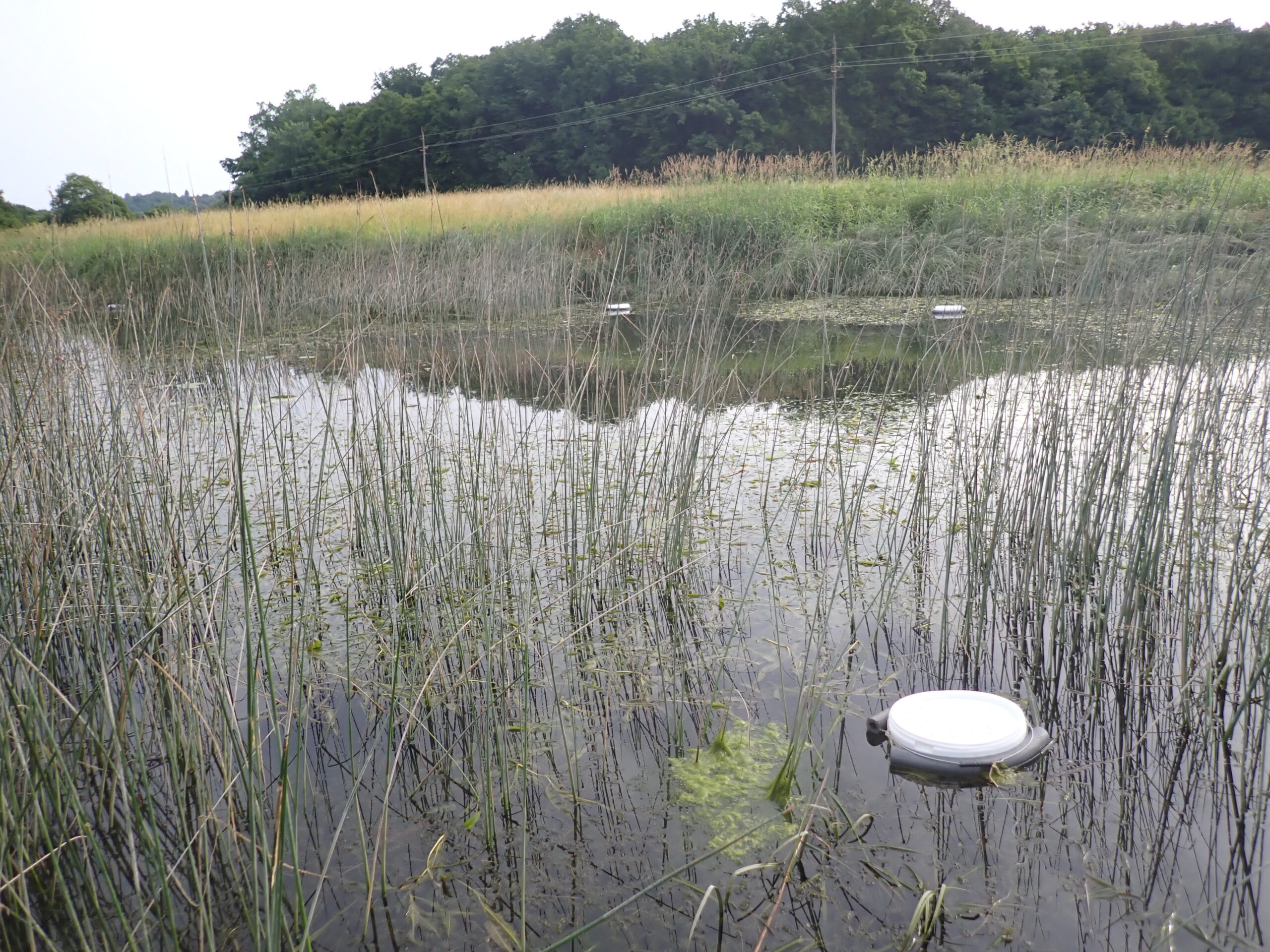
Photo: P. Golob